
Foundation & Basement Wall Crack Repair
Not every foundation crack needs a call to a contractor. Foundation crack repair, done honestly, starts with telling a homeowner which cracks are cosmetic shrinkage and which ones are early signs of a structural or water intrusion problem — and that distinction comes down to four things you can check yourself before deciding whether to call anyone at all.
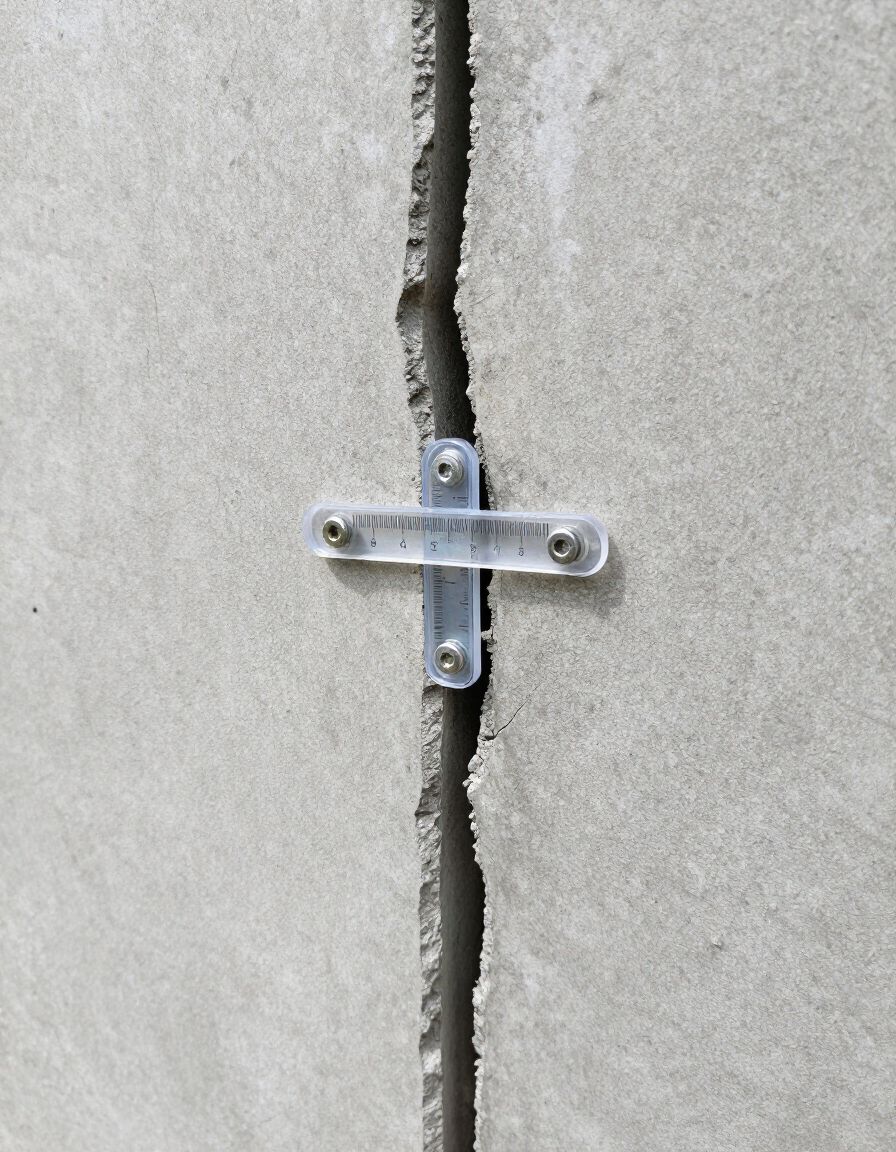
Read Your Own Crack: A Homeowner's Guide
Orientation. A vertical crack, running straight up and down, is the most common type in a poured concrete wall and is frequently a shrinkage crack — concrete shrinks slightly as it cures, and a straight vertical crack at a predictable weak point, like above a window, is often nothing more than that.
A stair-step crack, following mortar joints in a diagonal pattern in a block or brick wall, points to differential settlement — one section moving relative to another — and deserves a closer look. A horizontal crack, especially at or near mid-height, concerns us most, because it typically indicates lateral pressure pushing the wall inward.
Width. A hairline crack, thin enough that a credit card edge won't fit into it, is far less likely to be structurally significant than one wide enough to insert a coin. Cracks under about one-eighth of an inch are commonly cosmetic; cracks approaching or exceeding one-quarter inch, particularly if width varies along the crack's length, warrant an evaluation.
Movement. A dormant crack has stopped changing — it formed once and has stayed the same size since. An active crack continues to widen or shift. The only reliable way to tell the difference is to monitor it: mark both ends with a pencil line and date, or install an inexpensive crack monitor. A crack that hasn't moved in six months is telling you something very different than one that grew in that time.
Leaking. A crack that lets water through, even occasionally after heavy rain, is a water intrusion problem regardless of structural significance. A hairline crack can absolutely leak — width and leak risk are related but not the same question.
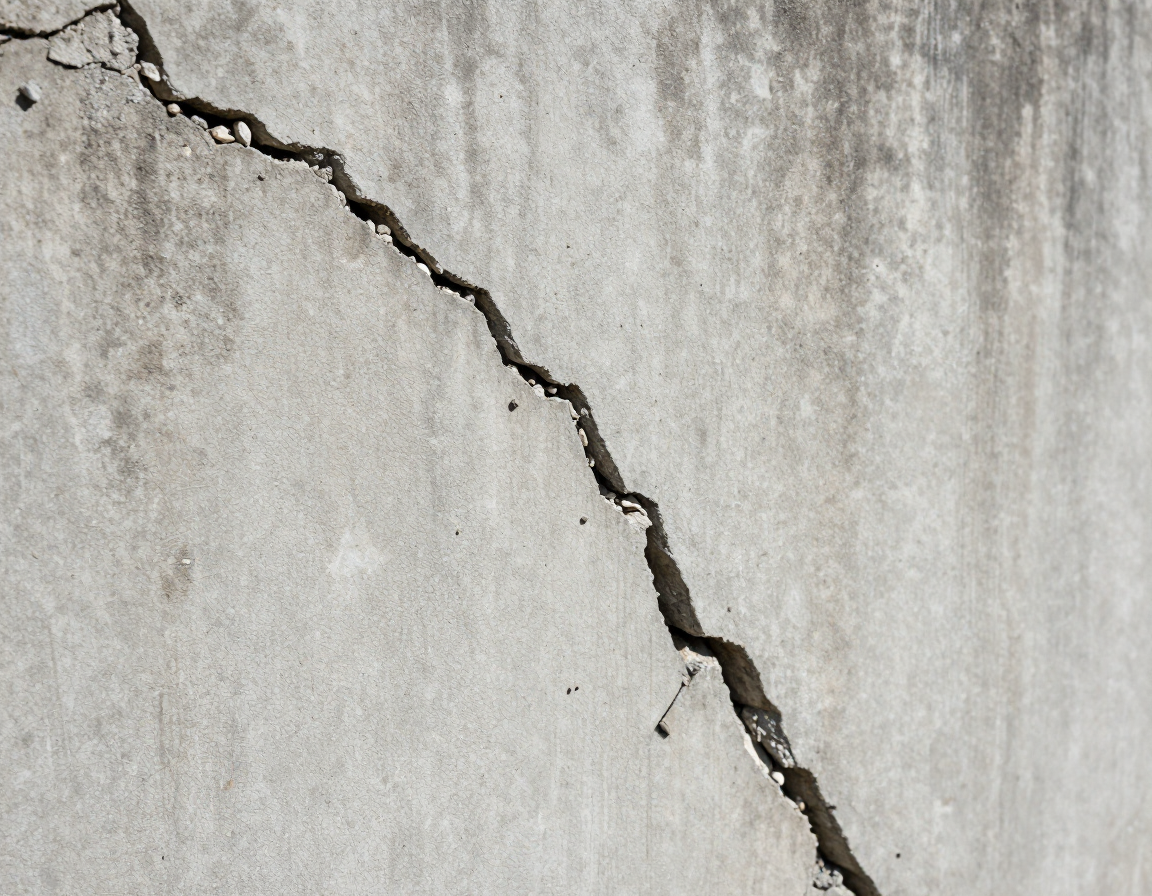
The Honest Verdict: Which Cracks Don't Need Us
Not every crack means the same thing, and reading the pattern correctly is the first step in any foundation repair evaluation.
A hairline, vertical, dormant, dry crack in a poured concrete wall is very likely ordinary shrinkage cracking and does not need structural repair. If it isn't leaking and hasn't moved when checked over a few months, it's cosmetic, and we tell you that directly rather than recommend a repair you don't need.
A crack that's dry but has grown, or leaks even a small amount, is worth addressing — leaking, because basement waterproofing is far cheaper before a small leak becomes a persistent one; growing, because whatever caused it is ongoing.
A horizontal crack at or near mid-height, a widening stair-step crack, or any crack accompanied by a visibly bowing wall is a different category and should be evaluated promptly — bowing and leaning wall repair, since these signs often point to a structural issue injection alone won't resolve.
Epoxy vs. Polyurethane Injection
Once a crack is diagnosed as a repair candidate, the method depends on what the crack is actually doing.
Epoxy injection is a rigid, high-strength resin injected under pressure, bonding the two sides of the concrete back together and restoring structural strength at that point. Because it cures rigid, it works best on a dormant crack — injecting a rigid material into an active, still-shifting crack risks the bond cracking again.
Polyurethane injection is a flexible, expanding foam that fills the crack and creates a watertight seal but does not restore structural strength the way epoxy does. Because it stays flexible after curing, it accommodates minor ongoing movement without the seal failing — the better choice for a crack that leaks but shows some continued movement.
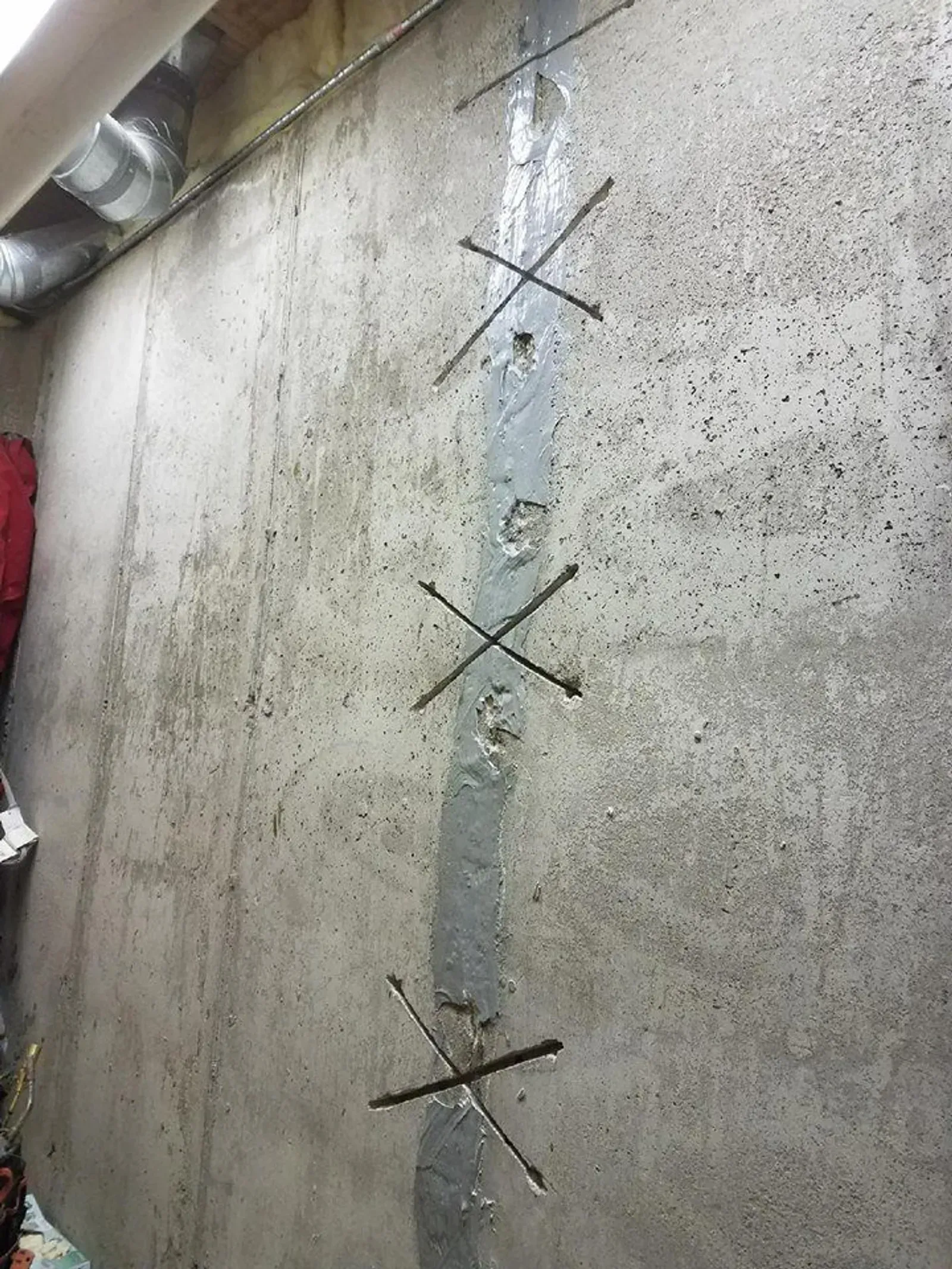
The port-and-seal method is standard for both: ports are set along the crack, the surface is sealed to contain the material, and resin or foam is pumped in under pressure until it fills the crack's full depth, not just the visible surface. A crack sealed only at the surface is a cosmetic patch, not a repair, and tends to fail again within a season.
We diagnose which method applies — or whether the crack needs monitoring rather than injection at all — during a free on-site evaluation, based on orientation, width, movement history, and whether it's a poured or block wall.
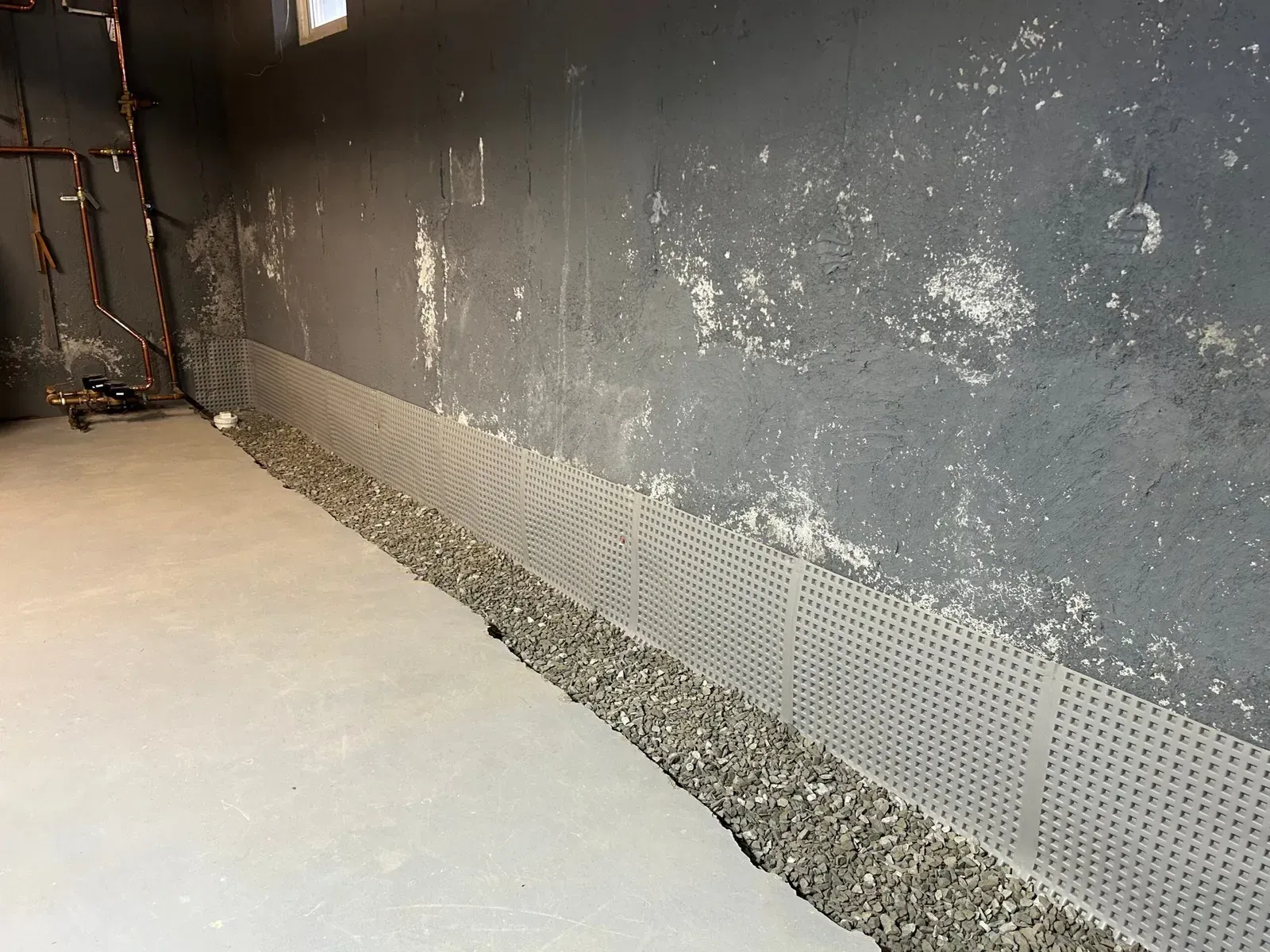

For cracks that are part of a larger settlement or structural picture, see our foundation repair page for the full range of structural services we provide.
Elite Basement Solutions serves Philadelphia, Bucks, Montgomery, Chester, and Delaware counties in Pennsylvania, and all of New Jersey (statewide). Licensed and insured, PA HIC #PA209149, NJ HIC #13VH14034100. Free on-site evaluation. Financing options available.
Frequently Asked Questions
When is a foundation crack serious?
A foundation crack is worth a professional evaluation when it shows any of these signs: it is wider than roughly one-quarter inch, it is horizontal or runs in a stair-step pattern rather than a straight vertical line, it has grown or shifted when checked over weeks or months, or it leaks water regardless of its width.
Any one of these is a reasonable trigger to have the crack looked at rather than watched.
A horizontal crack near mid-height is the type that concerns us most during foundation crack repair evaluations, since it often indicates lateral soil pressure pushing the wall inward rather than simple shrinkage.
A stair-step crack following mortar joints similarly points toward differential settlement — one section of the foundation moving relative to another.
By contrast, a hairline, vertical, dry crack that has not changed over several months of monitoring is very commonly ordinary shrinkage cracking, and does not require structural repair.
We recommend marking any crack you're unsure about with a pencil line and date at both ends, checking it again in a few weeks, and calling for a free on-site evaluation if it has moved, widened, or started leaking.
What is the difference between epoxy and polyurethane crack injection?
Epoxy injection uses a rigid, high-strength resin that bonds both sides of a concrete crack back together, restoring structural strength at that point in the wall. It works best on a dormant crack that has stopped moving, since the rigid cured epoxy can crack again if the wall continues to shift.
Polyurethane injection uses a flexible, expanding foam that fills the crack and creates a watertight seal but does not restore structural strength the way epoxy does. Because it stays flexible after curing, it accommodates minor ongoing movement without the seal failing, making it the better choice for a crack that leaks and shows some continued movement.
The choice comes down to what the crack is actually doing: a stable, structurally relevant crack calls for epoxy's bonding strength, while an active or water-intruding crack calls for polyurethane's flexibility.
Both use the same port-and-seal process — ports set along the crack, injected under pressure to fill its full depth, not just the surface. We determine which method fits your crack during a free on-site evaluation, based on width, orientation, and movement history.
Philadelphia's rowhome foundations add a variable that suburban homes do not always have: rubble-stone or brick construction, and in many cases a party wall shared with the house next door.
Repair work on a shared wall sometimes requires coordination with the neighboring property, which can affect both the scope and the cost compared to a detached home with the same crack pattern.
Because the right repair method depends entirely on what the crack pattern and wall condition actually show, we do not quote foundation repair over the phone.
A free structural assessment identifies the specific repair needed and gives an accurate number for your foundation. Financing options are also available. Call (800) 902-5311}, or see the foundation repair cost page for a full cost breakdown.
How much does foundation crack repair cost?
Foundation crack repair cost depends primarily on which injection method the crack requires, the length and depth of the crack, and whether it is a single isolated crack or one of several on the same wall.
Polyurethane and epoxy injection are priced similarly for comparable crack lengths, since both use the same port-and-seal process, with the material choice driven by the crack's condition rather than a significant cost difference between the two.
Access matters too. A crack on an exposed, unfinished wall is straightforward to reach. A crack behind finished walls, insulation, or built-in storage adds labor to expose the area before injection can begin.
We do not provide per-linear-foot estimates without seeing the crack in person, because an accurate quote depends on confirming it's actually a repair candidate — not a cosmetic shrinkage crack needing no work at all.
A free on-site evaluation gives you the honest diagnosis and an exact price. Financing options are available. Call {Phone: (800) 902-5311}.
Can a hairline foundation crack let water in?
Yes. Crack width and leak risk are related but not the same question — a hairline crack, thin enough that a credit card edge won't fit into it, can still let water through, particularly under hydrostatic pressure during heavy rain.
A narrow crack is less likely to be structurally significant, but "structurally insignificant" does not mean "watertight."
This surprises many homeowners who assume a small crack isn't worth addressing. If a hairline crack is dry and hasn't leaked even during heavy storms, it may genuinely not need repair.
But if you've noticed dampness, a water stain, or dripping at a crack of any width, that's a water intrusion problem regardless of how narrow it looks, worth sealing before an occasional leak becomes a persistent one.
Polyurethane injection is generally right for a leaking hairline crack, since it creates a flexible, watertight seal without requiring the crack to be structurally significant to justify repair.
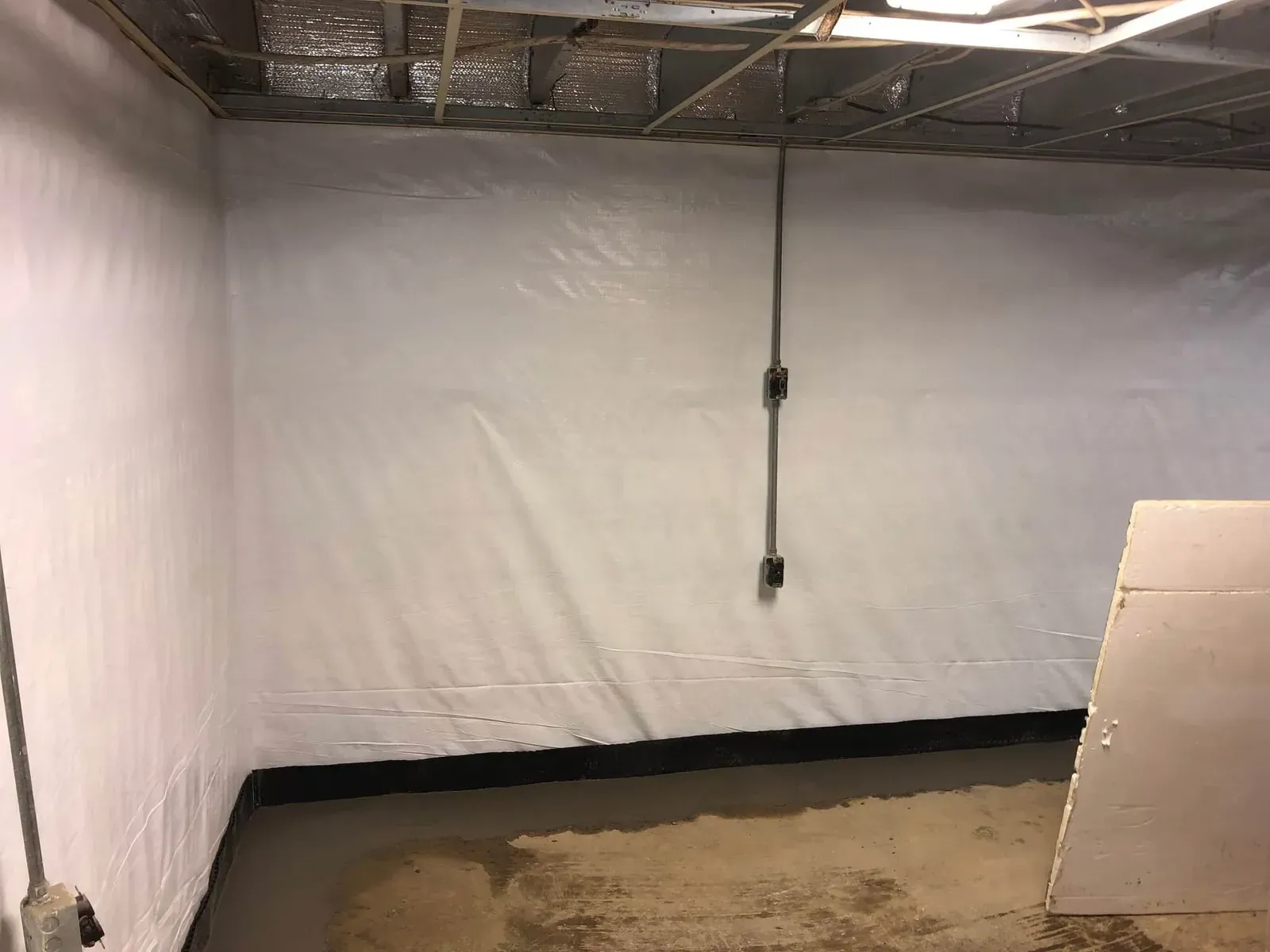
If leaking is part of a broader pattern of basement moisture, it's worth having the whole basement evaluated, since a full basement waterproofing approach may address the same water source from multiple entry points.
Wall anchor systems and underpinning take longer, generally several days to more than a week, because they involve exterior excavation to place anchor plates or extend footings to more stable soil.
Weather can also affect timelines for any work that requires exterior excavation, particularly during winter months when frozen ground slows digging.
We provide a specific timeline as part of your assessment once we know exactly which repair method your foundation needs, rather than giving a generic estimate that may not reflect the actual scope of work. Call (800) 902-5311} to schedule a free assessment and get a timeline specific to your project.
Should I fix a foundation crack before selling my house?
In most cases, yes, particularly if the crack is anything beyond a hairline, dormant, cosmetic shrinkage crack.
A home inspection during a sale will identify foundation cracks, and an unaddressed crack — especially one that's leaking, widening, or shows warning signs like horizontal orientation — routinely becomes a negotiation point or a deal-delaying repair request from the buyer.
Even a cosmetic crack that doesn't technically need repair can raise a flag for a buyer's inspector simply because it was never evaluated.
Having a professional evaluation on record, along with any repair performed, gives you documentation to address buyer concerns directly rather than leaving them to speculate.
If the crack is structurally significant or accompanied by other signs like a bowing wall, addressing it before listing avoids a larger conversation during the buyer's inspection period, when leverage shifts toward the buyer.
We provide a free on-site evaluation and a clear, written assessment of whether a given crack needs repair before a sale. Call (800) 902-5311 to schedule one.