
What Foundation Repair Costs
in Philadelphia and Bucks County
Foundation repair cost depends almost entirely on which repair method your foundation actually needs, and that is something no one can tell you from a phone call.
A hairline crack that is only letting in moisture is a different job — and a different price — than a bowing wall under active soil pressure or a corner of the house that has visibly settled.
Homeowners across Philadelphia, Bucks County, and Montgomery County searching for a number online mostly find vague reassurances instead of real ranges, which makes it harder to know if an estimate is fair.
This page breaks down what foundation repair typically costs by method — crack injection, carbon fiber straps, wall anchors, and underpinning — along with the one question almost every homeowner asks and almost no one answers clearly: does homeowners insurance cover any of this.
These are regional ranges based on the kind of foundation work done across this market, not a quote for your specific wall. The only way to get an accurate number for your home is a free on-site evaluation, because the repair method has to match the actual cause of movement, not just the symptom you can see.
Does Homeowners Insurance Cover Foundation Repair
This is the question we get asked more than almost any other, and the honest answer is: usually not, but sometimes yes, depending on the cause.
Most standard homeowners policies exclude damage caused by earth movement — a category that typically includes settling, shifting soil, hydrostatic pressure against a foundation wall, and expansive clay soil that swells and contracts with moisture. This exclusion exists because foundation movement from soil conditions is treated the same way flood damage is treated: a gradual, foreseeable risk tied to the land itself, not a sudden covered peril, and something insurers expect homeowners to maintain and address rather than claim.
Where coverage sometimes applies is when foundation damage results from a covered peril rather than ordinary earth movement. A burst pipe that saturates the soil beneath a foundation and causes sudden settlement, for example, may trigger coverage for the resulting foundation damage even though routine hydrostatic pressure from groundwater would not. The distinction insurers draw is between damage caused by a sudden, identifiable event that is itself covered, and damage that accumulated gradually from conditions like soil type, drainage, or age.
Every policy is written differently, and some carriers offer optional endorsements that narrow or widen this exclusion. The only reliable way to know where your policy stands is to read the earth movement clause directly and ask your agent before you assume coverage either way. Do not wait for a claim to find out — pull your policy now if foundation movement is a concern.
Because insurance frequently does not apply, most homeowners in this position are paying out of pocket or financing the repair, which is why {Financing options are available} for structural work as well as waterproofing.
Foundation Repair Cost by Method
The ranges below reflect what these repair methods typically run across the greater Philadelphia and Bucks County market. See our foundation repair overview for how we determine which method actually applies to your wall before pricing anything.
Crack Injection
Foundation crack repair using epoxy or polyurethane injection is the standard fix for a non-structural crack that is letting in water or moisture but is not actively moving. Epoxy is used for structural bonding on stable cracks; polyurethane is used for active water infiltration because it expands and seals even in damp conditions.
Regional range: roughly $400 to $800 per crack. A basement with multiple cracks, or cracks requiring both interior and exterior access, costs more than a single, easily accessed crack.
Carbon Fiber Straps
Carbon fiber reinforcement is used on foundation walls showing early-stage bowing or lateral movement, typically under about two inches of deflection. Straps are epoxied to the interior wall surface and anchored into the floor joists above and the footing below, holding the wall in place without excavation. Carbon fiber works when deflection is under two inches; beyond that, the wall usually needs a more aggressive method like anchors or replacement, and no honest contractor should install straps on a wall that has moved further than that.
Regional range: roughly $350 to $800 per strap installed. Most bowing walls need three to eight straps depending on the length of the affected wall section, putting a typical job at $1,500 to $6,000.
Wall Anchors
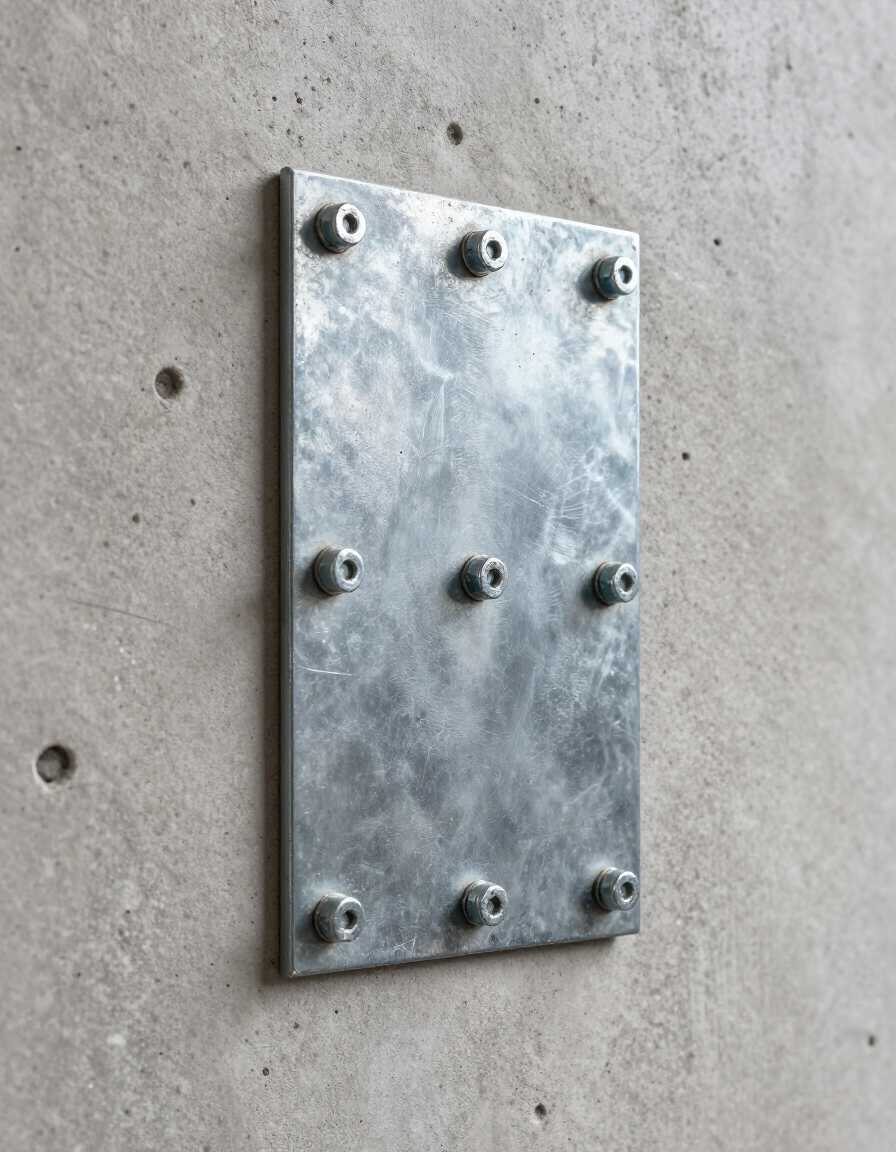
Wall anchors address more significant bowing than carbon fiber can handle. The system uses a steel plate on the interior wall connected by a rod through the foundation to an anchor plate buried in stable soil outside, and the anchors can be tightened over time to gradually straighten the wall.
Regional range: roughly $600 to $1,200 per anchor installed, and most jobs need three to six anchors plus exterior excavation to place the outer anchor plates, putting a typical project at $3,500 to $10,000 or more depending on wall length and yard access.
Underpinning (Push Piers or Helical Piers)
Underpinning is used when a foundation has settled, dropped unevenly due to unstable soil beneath the footing, rather than simply bowed inward. Steel piers are driven or screwed down to load-bearing soil or bedrock beneath the footing, then used to stabilize and, where possible, lift the foundation back toward its original position.
Regional range: roughly $1,200 to $2,500 per pier installed. Most homes need eight to twelve piers to stabilize an affected section of foundation, putting a typical underpinning project at $10,000 to $30,000 or more depending on the extent of settlement and the number of piers required.
Structural Engineer Fee
For any foundation showing bowing, settlement, or cracks wider than a hairline, an independent structural engineer's inspection and stamped report is worth the cost before committing to a repair method, particularly on a home you plan to sell, finance, or insure based on the outcome.
Regional range: roughly $500 to $1,500 for an inspection and written report. Some contractors, including Elite Basement Solutions, credit this fee toward the repair if you move forward with the recommended work, ask directly, since not every company offers this.
How Long Foundation Repair Takes & What Changes the Timeline
Crack injection is typically a same-day repair. Carbon fiber strap installation usually takes one to two days depending on the number of straps. Wall anchor systems generally take two to four days because they require exterior excavation to place the outer anchor plates.
Underpinning is the longest process, often five to ten days depending on the number of piers and whether the crew is working around landscaping, a driveway, or limited access on a rowhome lot in Philadelphia or a tighter suburban lot in places like Bensalem or Levittown.
Permits add time before work starts — most municipalities across Bucks, Montgomery, and Philadelphia counties require a permit for underpinning and wall anchor work, and turnaround varies by township.
Homeowners can generally stay in the house during foundation repair, since most of the work happens at the foundation perimeter or in the basement rather than throughout the living space, though dust and noise during excavation days are worth planning around.
How to Avoid Overpaying for Foundation Repair
Get a second opinion before authorizing major structural work, especially underpinning, which is the most expensive method on this list and not always the method a wall actually needs.
Insist on a written scope that names the specific method, the specific quantity — number of straps, anchors, or piers — and what the warranty covers, since "foundation repair" without those specifics is not a comparable number.
Ask whether monitoring is recommended before repair. Some early-stage movement is worth tracking with crack monitors or periodic re-measurement rather than repairing immediately, and a contractor who skips straight to the most expensive fix without discussing this is worth questioning.
Also ask directly whether the warranty is transferable to a future buyer if you are considering selling — foundation repair warranty terms vary by contractor and this affects resale value more than almost any other detail in the contract.
Thanks! We will be in touch shortly.
Get a Free, On-Site Foundation Repair Estimate
Foundation repair pricing only means something once someone has actually looked at your wall, measured the deflection or settlement, and matched a method to the cause.
We do that walkthrough at no cost, (800) 902-5311) and provide a written, itemized estimate before any work begins, the same standard we hold for basement waterproofing pricing, which is worth reviewing if your foundation issue is paired with a water problem, since the two are priced and scoped separately.
Every structural repair we install is backed by our workmanship standards, and financing options are available for homeowners who need to spread the cost. Read what homeowners across Philadelphia and Bucks County have said about the process in our reviews.
Frequently Asked Questions
How much does foundation repair cost on average?
Across Philadelphia and Bucks County, foundation repair typically ranges from about $400 for a single crack injection up to $30,000 or more for a full underpinning project on a severely settled foundation.
Most homes needing a moderate repair, a handful of carbon fiber straps or a small set of wall anchors, fall somewhere in the $1,500 to $10,000 range, which is the most common scope we see.
The method matters far more than the square footage of the house: a small home needing underpinning will cost more than a large home needing only crack injection, because the repair method, not the home's size, drives the price.
These figures are regional ranges, not a quote, since the only accurate way to price a foundation repair is to measure the actual movement and match it to the least invasive method that will hold.
A contractor who quotes a number before assessing deflection or settlement in person is guessing, not pricing.
We provide a free on-site evaluation and a written, itemized estimate that names the specific method and quantity before any work begins, so the number you receive reflects your wall and not a generic average.
Does homeowners insurance cover foundation repair?
Usually not, because most standard homeowners policies exclude damage from earth movement, settling, shifting soil, and hydrostatic pressure are treated as gradual, foreseeable conditions rather than sudden covered losses.
This is the same logic behind the flood insurance exclusion: insurers expect homeowners to maintain their property against known ground conditions rather than filing a claim for the result.
Coverage sometimes applies, however, when the foundation damage is caused by a covered peril rather than ordinary earth movement, for example, a burst pipe that saturates soil and causes sudden, identifiable settlement may be covered even though routine groundwater pressure would not be.
The distinction insurers draw is between a sudden covered event and gradual, ongoing conditions.
Every policy is written differently, so the only reliable answer for your situation is to read your policy's earth movement clause directly and confirm with your agent before assuming coverage either way, do this before you need to file a claim, not after.
Because insurance frequently does not apply to foundation work, most homeowners pay out of pocket or use financing. Financing options are available for homeowners who need to spread the cost of structural repair rather than covering it all upfront.
How long does foundation repair take from start to finish?
Timeline depends entirely on the repair method. Crack injection is typically a same-day job. Carbon fiber strap installation usually takes one to two days.
Wall anchor systems generally take two to four days because they require exterior excavation to set the outer anchor plates in stable soil.
Underpinning is the longest process, often five to ten days depending on how many piers are needed and how accessible the site is, a rowhome in Philadelphia with a narrow side yard takes longer to work around than a suburban lot in Bucks County with open access on all sides.
Permit approval time is separate from installation time and varies by municipality, so factor that in before assuming work can start immediately.
Most homeowners can remain in the house throughout the repair, since the work happens at the foundation perimeter or basement rather than through living space, though excavation days bring dust and noise worth planning around, especially if anyone in the household works from home.
We provide a specific timeline as part of the written estimate once we know the method and scope, rather than a general estimate that does not reflect your project.
Can I finance foundation repair?
Yes. Financing is available through Green Sky for foundation repair, the same as for basement waterproofing, since structural repairs often represent a larger unplanned expense than homeowners have budgeted for. We also accept Visa, Mastercard, Discover, check, Zelle, and Venmo, and we discuss financing and payment structure during the free on-site evaluation so there are no surprises once a contract is signed.
For foundation problems that are not actively worsening, a phased approach is sometimes reasonable, for example, addressing the most affected wall section first and monitoring a less severe area before committing to a second phase, though this is only appropriate when an engineer or experienced technician confirms the deferred section is stable enough to wait.
This is not a decision to make without that confirmation, since foundation movement that is left unaddressed can progress and turn a moderate repair into a more expensive one.
Whatever payment approach you choose, insist on a written, itemized scope first, since financing a poorly scoped repair does not make it a good repair, it just spreads the cost of the wrong fix over more months.
Is it worth fixing a foundation problem before selling?
In most cases, yes. A documented foundation issue is one of the most common findings in a home inspection, and an unresolved crack, bowing wall, or settlement will almost always come up during a sale, either as a buyer's negotiating point, a lender requirement before closing, or a disclosure obligation depending on state law.
Addressing the repair before listing, with a written scope and warranty documentation in hand, generally gives sellers more control over the outcome than waiting for an inspection to surface the issue and negotiating from a weaker position afterward.
It also matters what kind of warranty comes with the repair, ask directly whether it can be passed to the next owner, since terms vary by contractor and a repair with strong documentation reassures buyers and their inspectors more than a repair with no paperwork at all.
That said, timing matters: a repair completed with proper permits and inspection sign-off well before listing is more useful than a rushed fix days before a showing.
If you are weighing whether to repair now or price the home as-is, a structural engineer's assessment and a written estimate give you the information to make that call with actual numbers instead of guessing at the impact on sale price.